Pay in installments of $5.51 with
 ,
,
 and
and

Shipping Estimate
USA
- USA
- CAN
- USA
- CAN
Ships within 48 hours · Estimated delivery Aug 6 - Aug 11
 Promo Codes Available:
For Your Every Summer RSVP, with Code: SUMMER15
Description
aglaonema illumination Aglaonema 'Arctic Lime'Aglaonema 'Arctic Lime' Pale lime, cream green marbling and deeper green edges give Aglaonema 'Arctic Lime' soft lime green colouring. The plant forms a rounded upright clump from short stems, with new leaves opening close to the centre before expanding into broad oval to lance shaped blades. Young plants usually stay dense and multi stemmed. Established plants widen gradually as fresh shoots appear at the base, so the pale crown becomes fuller while
Aglaonema 'Arctic Lime'
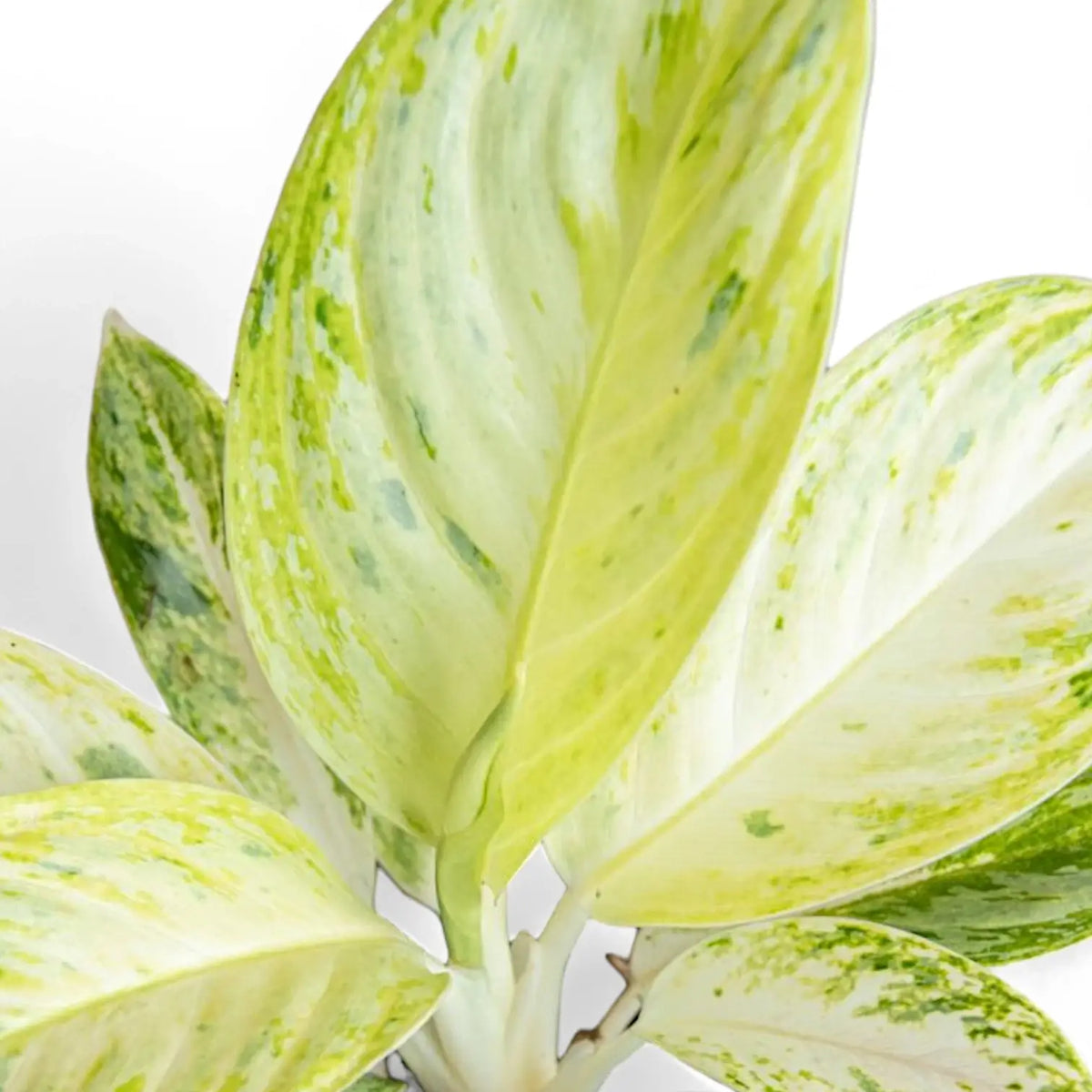
Pale lime, cream-green marbling and deeper green edges give Aglaonema 'Arctic Lime' soft lime-green colouring. The plant forms a rounded upright clump from short stems, with new leaves opening close to the centre before expanding into broad oval to lance-shaped blades.
Young plants usually stay dense and multi-stemmed. Established plants widen gradually as fresh shoots appear at the base, so the pale crown becomes fuller while keeping a modest footprint.
Arctic Lime quick profile
- Compact Aglaonema with soft lime-green and cream-green foliage
- Broad oval to lance-shaped leaves with darker green margins
- Smooth, slightly arching blades on fleshy petioles
- Rounded indoor habit from short cane-like stems
- Warmth and filtered light help new leaves emerge at a normal size
Lime foliage and tropical forest background
Aglaonema 'Arctic Lime' has a pale central leaf field framed by deeper green edges. The pattern changes slightly from leaf to leaf, giving natural variation while keeping the overall crown light and even.
Aglaonema belongs to the Araceae, the aroid family known for spadix-and-spathe inflorescences. Mature, settled plants can occasionally produce small arum-type flowers, although this cultivar is grown indoors for its pale lime foliage.
Wild Aglaonema species come from warm, humid, shaded tropical forest habitats across Asia and New Guinea. Indoors, keep it warm, give filtered light, and use an airy mix so the roots do not stay wet and new leaves do not stall.
Keeping Aglaonema 'Arctic Lime' healthy indoors
- Light: Bright filtered light or steady medium light keeps new leaves closer in size and reduces stretched petioles. Strong midday sun can mark the pale leaf tissue, especially close to hot glass.
- Watering: Let the top 2–4 cm of substrate dry before watering. When light levels drop and growth slows, wait a little longer between waterings.
- Substrate: A loose foliage-plant mix with coco coir or fine bark, mineral particles and drainage keeps air around the fleshy roots so they do not sit wet.
- Pot and drainage: Use a nursery pot with drainage holes. Let excess water run through fully before placing it back in a cover pot.
- Temperature: Keep above 16 °C; around 18–26 °C, new leaves emerge more regularly and petioles stay firmer. Cold glass, draughts and wet substrate can lead to dark patches.
- Humidity: A humidifier or nearby tropical plants can reduce crisp tips and stuck new leaves in very dry rooms.
- Feeding: Use a balanced houseplant fertiliser at reduced strength while new leaves are forming. Heavy feeding can scorch leaf edges.
- Repotting: Move up one pot size when roots fill the container, water runs through too quickly, or the root ball dries hard soon after watering.
- Pruning: Remove yellowing older leaves at the base. Bare older stems can be shortened while the plant is producing leaves, so new shoots can break from lower nodes.
- Propagation: Divide established clumps or root stem cuttings with visible nodes. Warmth and steady light moisture keep cuttings from drying before new roots extend.
- Mineral substrates: Move only plants with firm active roots into mineral substrate; weak or damaged roots can rot during the change.
Arctic Lime health checks
- Yellow lower leaves: One ageing leaf is normal. Several yellow leaves together usually point to a wet root zone, poor drainage or cold conditions.
- Brown leaf tips: Review watering pattern, fertiliser strength and dry indoor air. Flush the substrate gently if salts have built up.
- Pale, papery patches: Direct sun or heat against a window is likely. Move the plant further from the glass or filter the light.
- Soft stems or sour-smelling substrate: Inspect the roots. Soft brown roots show that the mix has stayed too wet or too cold.
- Fine speckling or dull leaves: Check undersides and petiole bases for mites. Rinse the foliage and isolate the plant before treatment.
Placement and leaf cleaning
Rotate Aglaonema 'Arctic Lime' regularly so new petioles do not all lean toward the window. Wipe dust from the leaves with a soft damp cloth to keep the pale marbling visible and make pest checks easier.
Pet safety for Arctic Lime
The leaves and stems of Aglaonema 'Arctic Lime' contain insoluble calcium oxalate crystals. If pets or children eat plant tissue, it can irritate the mouth, tongue and throat. Keep the plant out of reach, and wear gloves when pruning or dividing if your skin reacts easily to aroid sap.
Shipping Notes
- Free Standard Shipping on $100+ Orders to the USA.
- Except Preorder products are shipped in 48 hours.
- Delivery to the USA:
- Standard Shipping : 3-10 business days
- If time is of the essence, please consider selecting expedited delivery for faster service.
Exchange/Return Notes
- We offer a 30-day return/exchange service after receiving.
- Final sale items are not eligible for returns or exchanges.
- To process your return/exchange, please contact us at [email protected]
- Please click here for more details>>> Return & Exchange Policy