Pay in installments of $5.79 with
 ,
,
 and
and

Shipping Estimate
USA
- USA
- CAN
- USA
- CAN
Ships within 48 hours · Estimated delivery Aug 8 - Aug 13
 Promo Codes Available:
For Your Every Summer RSVP, with Code: SUMMER15
Description
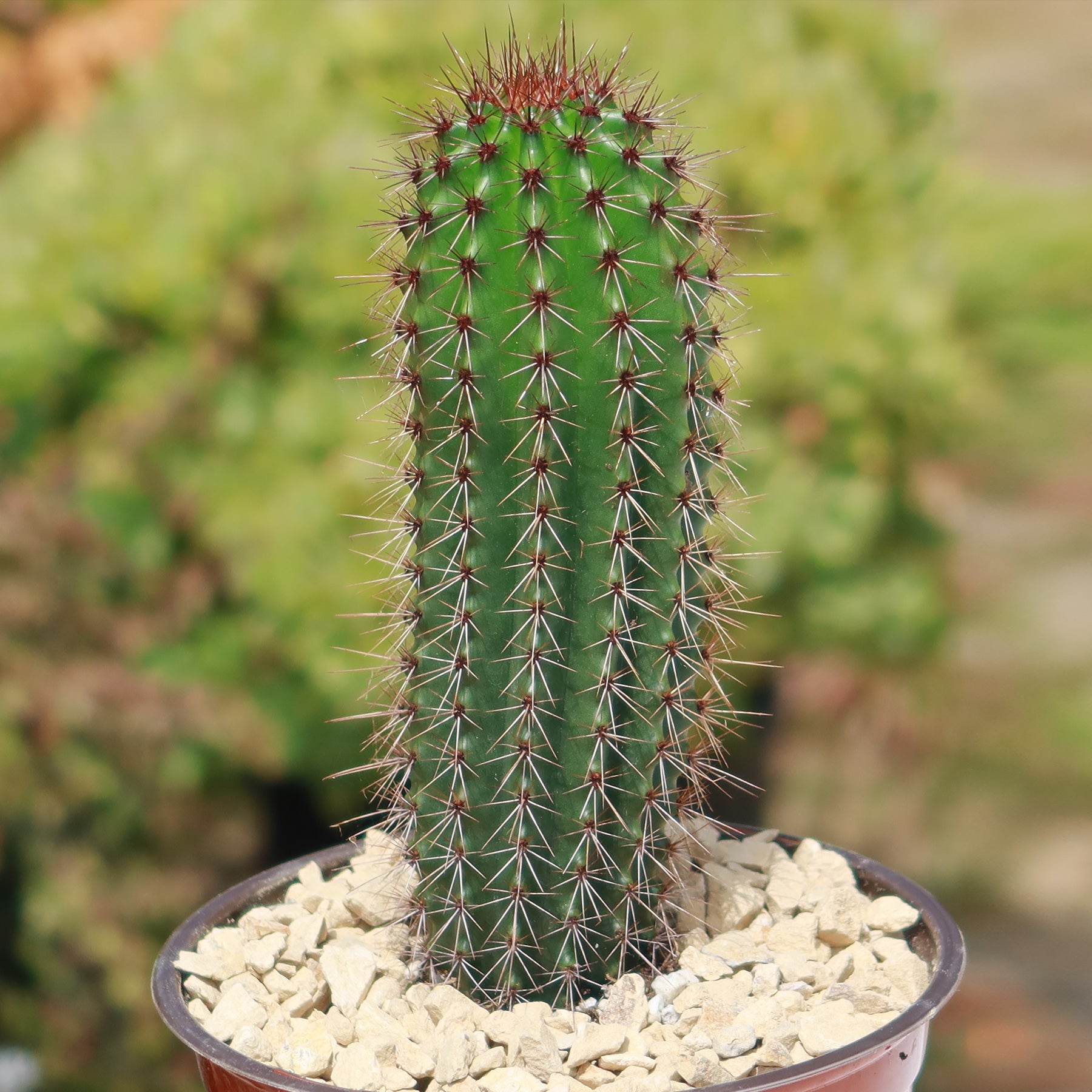
pipe succulents Organ Pipe Cactus ‘Stenocereus thurberi’Introducing the organ pipe cactus, known as Stenocereus thurberi, which is a very popular columnar plant that belongs to the cactus family. Organ Pipe Cactus National Monument, an International Biosphere Reserve, is home to a diverse community of plants and animals named after the organ pipe cactus species. Native to the Sonoran Desert, the Stenocereus thurberi has several other common names, such as the pitahaya dulce, pitaya dulce, or pitahaya de
Introducing the organ pipe cactus, known as Stenocereus thurberi, which is a very popular columnar plant that belongs to the cactus family. Organ Pipe Cactus National Monument, an International Biosphere Reserve, is home to a diverse community of plants and animals named after the organ pipe cactus species.
Native to the Sonoran Desert, the Stenocereus thurberi has several other common names, such as the pitahaya dulce, pitaya dulce, or pitahaya de mayo. The organ pipe cactus gets its name from its distinctive shape, which resembles a series of organ pipes.
A mature plant of the slow-growing organ pipe cactus can grow up to 20 feet tall and 12 feet wide.
The stems of your organ pipe cactus rarely branch, but when they do, they form numerous branches from a short trunk that resemble organ pipes.
Its cylindrical stems are ribbed and bear dark brown to black spines, providing protection against herbivores and excessive sun exposure.
The organ pipe cactus begins to bloom with lovely, fragrant white to pale lavender flowers after reaching maturity at 35 years of age. These organ pipe cactus flowers are nocturnal, opening in the evening and closing by morning. They typically bloom from late spring to early summer, attracting pollinators such as bats and moths.
After flowering, it produces rounded olive-green fruit with a purple or pink tint when ripe. It is one of the tasty fruits in the Sonoran Desert. Tohono O'odham harvest sweet, juicy fruits with a watermelon-like flavor, used in jams, fruit leather, syrups, juice, and wine. The mashed seeds produce an oily paste similar to butter, and the fruit's seeds can be used in various recipes. The organ pipe cactus is ideal for individual display in transition and outer zone landscapes due to its low maintenance requirements.
Organ Pipe Cactus Fun Facts
- Interestingly, the organ pipe cactus is the second-largest cactus species in the United States. Only the saguaro cactus is taller.
- The organ pipe cactus has a unique way of conserving water. Its stems are ribbed, which allows them to expand and contract depending on water availability.
- This cactus has an interesting adaptation called "nighttime carbon fixation." It opens its stomata at night to take in carbon dioxide and store it as malic acid. During the day, it uses this stored acid to conduct photosynthesis, reducing water loss.
- The organ pipe cactus has a fascinating relationship with a type of bird called the Gila woodpecker. The woodpecker excavates holes in the cactus for nesting, and the cactus benefits from the protection and pollination provided by the bird.
- In addition to bats, the organ pipe cactus is also pollinated by moths, bees, and birds. Its flowers have a sweet scent that attracts these pollinators.
The Stenocereus thurberi organ pipe cactus thrives in arid and semi-arid regions, where it has adapted to survive in harsh conditions such as extreme temperatures and low rainfall. It is particularly well-adapted to the rocky desert, where it is vulnerable to seasonal precipitation.
When and How to Water Your Organ Pipe Cactus
The Organ Pipe Cactus has a unique ability to store water in its stem, which allows it to withstand long periods of drought. As a result, it prefers infrequent but deep watering rather than frequent light watering. The Organ Pipe Cactus prefers watering once every 2 weeks in the growing season, and once a month in the dormant season.
In the spring and summer, during the growing season, you should water the organ pipe cactus thoroughly about once every 2 weeks. Give it a good drink, allowing the water to penetrate deep into the soil. This helps the roots to establish and absorb the moisture. However, it’s essential to let the soil dry out completely between waterings to prevent overwatering, which can lead to root rot.
In the fall and winter, during the dormant season, the organ pipe cactus requires much less water of about once a month. Frost and freezing temperatures can impact the cactus by killing young tissue at the end of the stems and limiting its range. It’s crucial to strike a balance between providing enough moisture to keep the cactus healthy and avoiding excessive watering.
Light Requirements - Where to Place Your Organ Pipe Cactus
When growing indoors, it's important to provide it with bright, indirect light for at least 4-6 hours a day. A south-facing window is usually ideal, as it provides the brightest light throughout the day.
If you don't have a south-facing window, east or west-facing windows can also work well. Just make sure to rotate the cactus occasionally to ensure even light exposure on all sides.
If you're growing the organ pipe cactus outdoors, it thrives in full sun conditions. It loves basking in the bright sunlight, so find a spot in your garden or patio where it can receive at least 6 to 8 hours of direct sunlight each day. Make sure the location has good drainage to prevent waterlogging, as excessive moisture can be detrimental to the cactus.
Sudden changes in light intensity can shock the plant and lead to sunburn or damage. Start by placing the cactus in a partially shaded area for a few hours each day, gradually increasing the exposure to full sun over a period of a few weeks.
Optimal Soil & Fertilizer Needs
The organ pipe cactus prefers a well-drained mix and should be fertilized once a year in spring. A good option is a cactus potting mix, which is typically a blend of sandy soil, perlite, and peat moss. Instead, make or buy a well-draining potting mix, or ideally, use our specialized succulent potting mix, opens in a new tab that contains 5 natural substrates and mycorrhizae to promote the development of a strong root system that helps your organ pipe cactus to thrive.
The organ pipe cactus is not a heavy feeder. During the active growing season, which is typically spring, you can apply a balanced (5-10-5), water-soluble NPK fertilizer specifically formulated for cacti. Follow the instructions on the fertilizer package for the correct dilution ratio and frequency of application. Remember, it's better to under-fertilize than to over-fertilize, as excessive nutrients can harm the cactus.
It's important to note that during the winter months, the organ pipe cactus goes into a period of dormancy and requires less water and fertilizer. Reduce the frequency of fertilization or stop altogether during this time. Always monitor the plant's response to fertilization and adjust accordingly.
Hardiness Zone & More
In the United States, this is mostly an indoor plant, but if you live in southern Florida or Hawaii, then you can cultivate it outdoors in USDA zones 9-11.
They are not cold-hardy, so if you live in a colder climate, it is best to grow the organ pipe cactus in containers that can be brought indoors during the winter months to protect it from freezing temperatures.
Saguaro National Park monitors climate and environmental factors that affect cacti, providing valuable insights into how to care for these plants in varying conditions.
In terms of humidity, the organ pipe cactus Stenocereus thurberi prefers low humidity levels similar to its natural desert habitat. Aim for a humidity level of around 30% to 40% indoors. Dry air can be achieved by using a dehumidifier or placing the cactus in a well-ventilated area.
How to Grow the Best Organ Pipe Cactus Indoors
To grow the best Organ Pipe Cactus indoors, it is important to maintain a temperature range of 65-85°F and provide moderate humidity levels. Avoid placing the cactus near drafts or heating vents, as extreme temperature fluctuations can be harmful to its growth. Additionally, misting the cactus occasionally can help increase humidity levels in drier indoor environments. Avoid placing it near sources of moisture or in rooms with high humidity, such as bathrooms or kitchens.
Wildlife - Stenocereus thurberi Attracts the Following Friendly Pollinators
The Stenocereus thurberi (organ pipe cactus) attracts pollinators, primarily nocturnal animals such as bats, but also hummingbirds, and is pollinated by both. Birds and small mammals also interact with the plant, feeding on its fruit and using the dense stems for shelter.
According to ASPCA, the organ pipe cactus is not considered poisonous to humans or animals and poses no risk of poisoning if touched or ingested. However, the sharp spines of the organ pipe cactus can cause physical injury if touched. It is important to handle this plant with care to avoid injury.
How to Propagate Your Organ Pipe Cactus
The organ pipe cactus can be propagated through various methods. The most common way is by collecting and planting the seeds found within the fruits. These seeds can be sown in well-draining soil and kept in a warm, sunny location. It’s important to note that the germination process can be slow and may require patience. Another method of propagation is by taking stem cuttings and allowing them to callus before planting them in suitable soil.
Key Takeaways
- The Organ Pipe Cactus grows in multi-stemmed clusters that can reach up to 20 feet tall, resembling the pipes of a grand organ — a sight unique to the Sonoran Desert.
- Its large white flowers open only at night, attracting bats and moths as primary pollinators, and fade with the morning sun.
- The lesser long-nosed bat plays a vital role in pollinating this cactus while feeding on its nectar — a fascinating example of desert symbiosis.
- It produces sweet, red-purple fruits called pitaya dulce, which are edible and were traditionally harvested by the Tohono O’odham people.
Final Thoughts
Overall, the organ pipe cactus (Stenocereus thurberi) is a fascinating plant that adds a unique touch to any desert landscape. With its tall, columnar shape resembling organ pipes, this cactus stands out among other cacti. The organ pipe cactus produces fragrant white flowers that bloom at night, attracting pollinators, and later develops delicious edible fruits. Taking care of this cactus involves providing it with well-draining soil, ample sunlight, and occasional watering. Order your very own organ pipe cactus today!
Shipping Notes
- Free Standard Shipping on $100+ Orders to the USA.
- Except Preorder products are shipped in 48 hours.
- Delivery to the USA:
- Standard Shipping : 3-10 business days
- If time is of the essence, please consider selecting expedited delivery for faster service.
Exchange/Return Notes
- We offer a 30-day return/exchange service after receiving.
- Final sale items are not eligible for returns or exchanges.
- To process your return/exchange, please contact us at [email protected]
- Please click here for more details>>> Return & Exchange Policy