Pay in installments of $5.67 with
 ,
,
 and
and

Shipping Estimate
USA
- USA
- CAN
- USA
- CAN
Ships within 48 hours · Estimated delivery Aug 3 - Aug 8
 Promo Codes Available:
For Your Every Summer RSVP, with Code: SUMMER15
Description
anthurium longifolium Anthurium longissimilobum – Elongated Strap LeavesAnthurium longissimilobum Anthurium longissimilobum is a Peruvian Anthurium species with long, narrow, triangular subhastate leaves and extended posterior lobes. The blade shape gives the plant a stretched, arrow like outline as it climbs, with the rear lobes forming a deep sinus behind the main blade. This is an appressed climbing epiphyte from the Hunuco region of Peru, where it was described from wet forest transitions around Tingo Mara. Indoors,
Anthurium longissimilobum
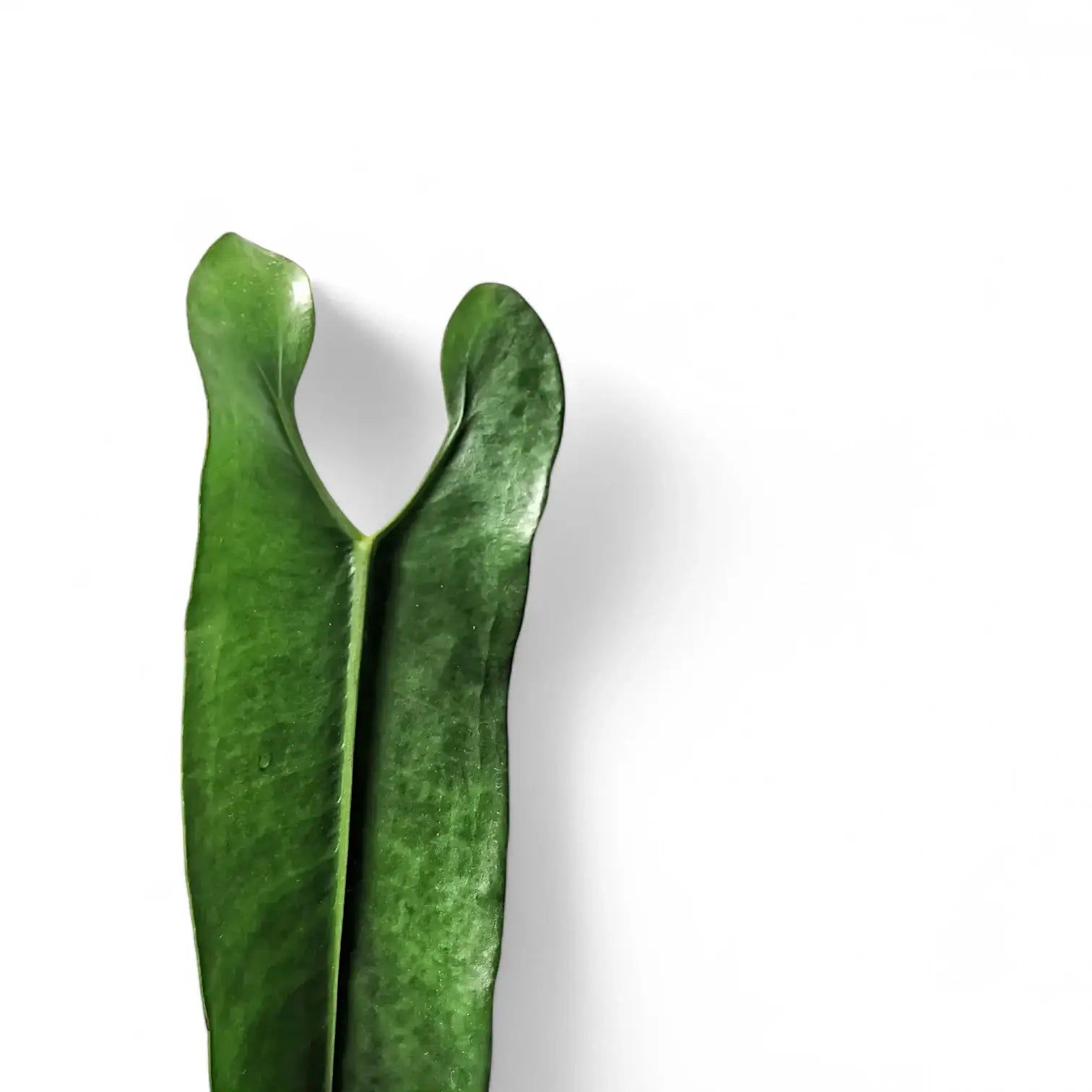
Anthurium longissimilobum is a Peruvian Anthurium species with long, narrow, triangular-subhastate leaves and extended posterior lobes. The blade shape gives the plant a stretched, arrow-like outline as it climbs, with the rear lobes forming a deep sinus behind the main blade.
This is an appressed-climbing epiphyte from the Huánuco region of Peru, where it was described from wet forest transitions around Tingo María. Indoors, its long lobes need space, vertical support and a root zone that stays airy after watering.
Leaf structure of Anthurium longissimilobum
- Leaf architecture: Narrowly triangular-subhastate blades create a long, lean outline.
- Posterior lobes: Very long rear lobes form the feature behind the species name.
- Venation: Primary lateral veins can create a distinctive S-shaped pattern.
- Growth form: Appressed-climbing epiphyte with short internodes.
- Origin: Described from Peru, especially the Tingo María area in Huánuco.
- Growing setup: Benefits from vertical support and a chunky epiphyte-style mix.
Long lobes, climbing growth and space
Anthurium longissimilobum develops its shape through length and narrow leaf architecture. The posterior lobes can extend close to the support, so the plant needs room behind and beside the leaf to keep the blade from creasing.
The climbing stem and short internodes suit a pole, plank or other vertical surface. A stable support keeps the growth upright and gives new leaves space to open without bending the narrow blade or marking the long lobes.
Habitat notes for Anthurium longissimilobum
This species is associated with Peruvian wet forest transitions between Premontane wet forest and Tropical moist forest. That background points to warm conditions, consistent moisture, strong drainage and stable humidity in an oxygen-rich root zone.
Care for Anthurium longissimilobum
- Light: Give bright filtered light. Direct sun can scorch the extended leaf tissue.
- Water: Keep the mix lightly moist, then let excess water drain fully so the root zone stays oxygenated.
- Substrate: Use a coarse Anthurium or epiphyte mix with bark, fibre and mineral structure.
- Support: Provide a pole or plank early so the climbing stem can hold a steady vertical line.
- Humidity: Keep humidity stable while new leaves unfurl, especially as the long lobes extend.
- Temperature: Maintain warm conditions and protect the roots from cold wet substrate.
- Spacing: Leave enough clearance around the plant so the long posterior lobes do not crease or rub.
Common issues with Anthurium longissimilobum
- Marked lobes: Long leaf sections can crease or tear when pressed against shelves, supports or neighbouring plants.
- Distorted new leaves: Raise humidity stability and check that new growth is not caught against the support.
- Root decline: Refresh compact substrate and improve drainage if the pot stays wet for too long.
- Brown patches: Move the plant away from direct sun and check for heat buildup near glass.
- Loose climbing stem: Tie new growth gently before the stem bends away from the support.
Safety for Anthurium longissimilobum
Anthurium longissimilobum contains irritating calcium oxalate crystals. Keep leaves, stems and cut sap away from pets, children and sensitive skin.
Botanical background
Anthurium longissimilobum was described by Croat in 2008. The epithet refers to the very long lobes, a direct match for the extended posterior lobes that shape the leaf.
Shipping Notes
- Free Standard Shipping on $100+ Orders to the USA.
- Except Preorder products are shipped in 48 hours.
- Delivery to the USA:
- Standard Shipping : 3-10 business days
- If time is of the essence, please consider selecting expedited delivery for faster service.
Exchange/Return Notes
- We offer a 30-day return/exchange service after receiving.
- Final sale items are not eligible for returns or exchanges.
- To process your return/exchange, please contact us at [email protected]
- Please click here for more details>>> Return & Exchange Policy