Pay in installments of $7.35 with
 ,
,
 and
and

Shipping Estimate
USA
- USA
- CAN
- USA
- CAN
Ships within 48 hours · Estimated delivery Aug 7 - Aug 12
 Promo Codes Available:
For Your Every Summer RSVP, with Code: SUMMER15
Description
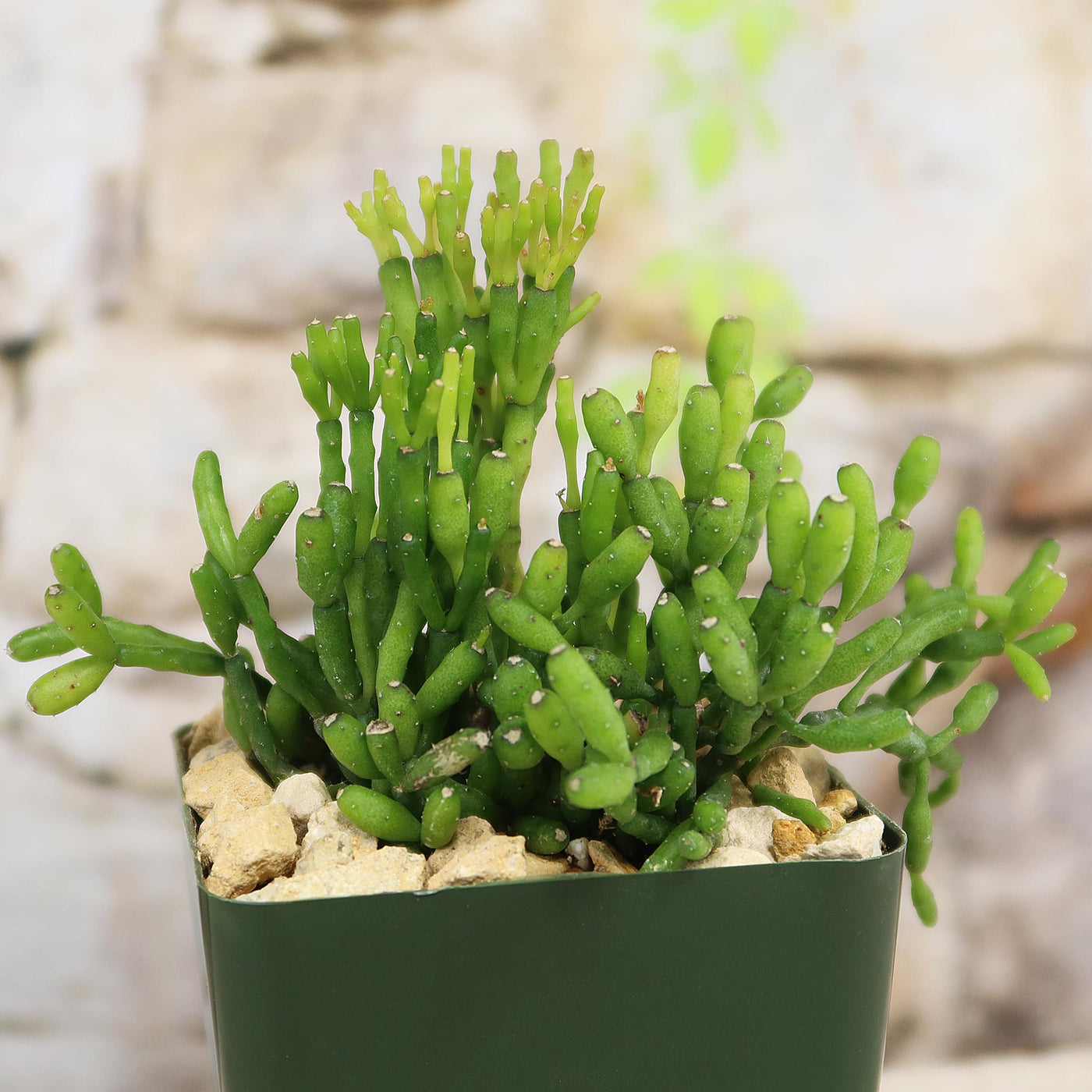
hatiora succulent Shop 'Hatiora salicornioides - Dancing Bones Cactus' Care and InfoIntroducing the Dancing Bones cactus, which is known as Hatiora salicornioides (formerly known as Rhipsalis salicornioides)! The Dancing Bones cactus is named for its thin, segmented, flexible stems that resemble bones and give it a "dancing" appearance when it moves in the breeze. This desert cactus is also known as the Drunkard's Dream cactus, spice cactus, and bottle cactus. This Hatiora salicornioides is like no other, with its bushy, deep green
Introducing the Dancing Bones cactus, which is known as Hatiora salicornioides (formerly known as Rhipsalis salicornioides)!
The Dancing Bones cactus is named for its thin, segmented, flexible stems that resemble bones and give it a "dancing" appearance when it moves in the breeze. This desert cactus is also known as the Drunkard's Dream cactus, spice cactus, and bottle cactus.
This Hatiora salicornioides is like no other, with its bushy, deep green appearance and cylindrical stems that seem to sway to their own melodious beat.
This shrubby cactus plant can grow up to an impressive height of 3 feet along the tree trunk.
The segmented stems of younger plants have an enchanting shape that resembles either a club or even a whimsical bottle, hence the common name.
The Hatiora salicornioides have flowers with bell-like shapes hanging delicately at the ends of the stems. These small yellow-orange flowers that bloom from late winter to early spring add a touch of vibrant color to this already captivating dancer on our cactus stage.
To propagate Hatiora salicornioides dancing bones, you can use stem cuttings, which involve cutting a healthy stem below a joint or segment. With Hatiora salicornioides care and patience, the cutting should develop roots and start new growth.
Additionally, the dancing bones plant is a friendly cactus for both pets and humans. So, you don't have to worry about any harmful effects if you come into contact with dancing bone cactus. It's always a good idea to handle plants with care and wash your hands after touching them, just to be safe.
Watering Needs
The Hatiora salicornioides is a drought-tolerant cactus that requires moderate watering. It is best to let the soil completely dry out between waterings.
In the spring and summer, during the growing season, when you water your dancing bones desert cacti make sure to give them a good soak but be sure to let the excess water drain away. Overwatering can be harmful to this cactus, so it's important to be careful not to give it too much water.
In the fall and winter, when your dancing bones are dormant, it's important not to overwater them. Keep an eye on the weather and adjust your watering schedule accordingly, making sure not to leave the cactus sitting in soggy soil.
If you're not sure when to water your dancing bones cactus, you can use a moisture meter to check the soil. This will help you determine when it's time to water the dancing bones cactus.
Pay attention to signs of overwatering, such as yellowing or mushy stems, and adjust accordingly. It's always better to err on the side of underwatering and gradually increase watering if needed.
Light Requirements
The Hatiora salicornioides prefer bright indirect sunlight. When growing your dancing bones cactus indoors, it's best to place it near a window that receives bright, filtered light. If you notice the stems stretching or becoming pale, it may be an indication that it needs more light. Consider supplementing with artificial grow lights to provide the ideal light conditions.
For outdoor cultivation, the Hatiora salicornioides prefers partial sun to filtered sunlight. It can tolerate some morning or evening sun, but direct afternoon sunlight can be too intense. Avoid placing it in direct sunlight for a prolonged period, as it can scorch the delicate stems.
If you live in a region with hot summers, providing some shade during the hottest parts of the day can help protect the cactus from sunburn. If the dancing bones cactus doesn't receive enough light, its stems may grow leggy, and yellow to orange flowers will become paler, so make your cactus happy and give it plenty of light.
Remember, finding the right balance of light is crucial for the health of your dancing bones cactus Hatiora salicornioides. Observe how it responds to the light conditions and make adjustments accordingly.
Optimal Soil & Fertilizer Needs
The Hatiora salicornioides prefers well-draining, slightly acidic potting soil. A good mix for these dancing bones Hatiora is one part peat moss, one part perlite, and one-part coarse sand. This will provide your dancing bone cactus with the right amount of drainage and acidity. Instead, make or buy a well-draining potting mix, or ideally, use our specialized cactus potting soil that contains 5 natural substrates and mycorrhizae to promote the development of a strong root system that helps your dancing bone cactus to thrive.
As for fertilizer, the dancing bones cactus don't require much. It's best to avoid fertilizing it during the winter months to prevent mold growth. If you do decide to fertilize it, use a balanced natural fertilizer with an equal mix of NPK (5-10-5). Fertilize the dancing bone once a year during the growing season, which is typically in the spring.
Remember, it's important not to over-fertilize, as this can cause harm to the cactus. Keep an eye on your Hatiora salicornioides for any signs of nutrient deficiency, such as pale or yellowing stems. If you notice these signs, you can consider using a specialized cactus fertilizer with a higher phosphorus content to promote healthy growth. Always follow the instructions and adjust the frequency of fertilization based on the needs of your Dancing Bones cactus.
Hardiness Zone & More
Native to eastern Brazil, this ornamental plant Hatiora salicornioides is not frost-tolerant. If you live in an area with cold winters, it's best to keep the dancing bones cactus indoors during the winter months.
The dancing bones cactus prefers temperatures between 60 and 80 F. If you live in a region with a mild climate, such as USDA zones 10-11, then you can consider placing it outdoors during the warmer months. It can tolerate higher temperatures, but it's important to avoid exposing your dancing bones to temperatures below 50 F. Just make sure to acclimate it gradually to outdoor conditions to avoid shock.
As for humidity, the dancing bone cactus prefers moderate humidity levels. It can handle some dryness, but it's best to avoid your cactus family exposing it to extremely dry conditions. If you live in an area with low humidity, you can place a tray of water near your cactus to help increase the humidity levels.
Remember, providing a stable temperature range and moderate humidity levels will help your Hatiora salicornioides thrive, whether it's indoors or outdoors.
Final Thoughts
Overall, the Hatiora salicornioides (Dancing Bones cactus) is a fascinating cactus native to Brazil with thin, jointed stems resembling coral or seaweed. It prefers bright, indirect light indoors and thrives in a temperature range of 60°F to 75°F. Proper, well-drained cactus soil and drainage are crucial for your dancing bone cactus. The watering is slightly moist but not overly saturated, with the top inch drying out between waterings. Fertilizing is essential for growth and health, with a balanced, water-soluble fertilizer once a year during the growing season. However, be cautious not to over-fertilize, as this can lead to nutrient burn or other issues.
Shipping Notes
- Free Standard Shipping on $100+ Orders to the USA.
- Except Preorder products are shipped in 48 hours.
- Delivery to the USA:
- Standard Shipping : 3-10 business days
- If time is of the essence, please consider selecting expedited delivery for faster service.
Exchange/Return Notes
- We offer a 30-day return/exchange service after receiving.
- Final sale items are not eligible for returns or exchanges.
- To process your return/exchange, please contact us at [email protected]
- Please click here for more details>>> Return & Exchange Policy