Pay in installments of $5.05 with
 ,
,
 and
and

Shipping Estimate
USA
- USA
- CAN
- USA
- CAN
Ships within 48 hours · Estimated delivery Aug 14 - Aug 19
 Promo Codes Available:
For Your Every Summer RSVP, with Code: SUMMER15
Description
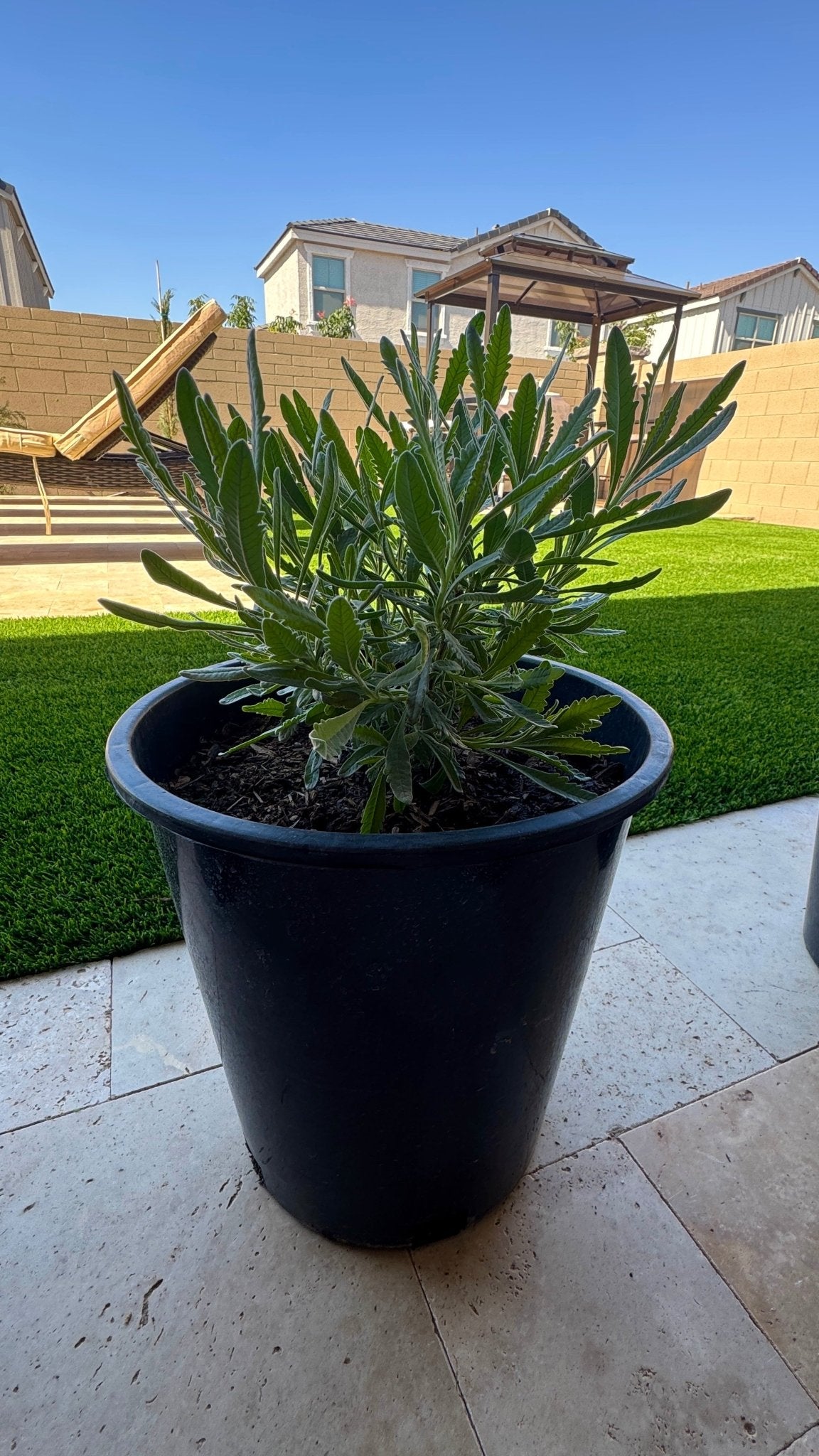
home lavender plant Buy French Lavender Phoenix, AZ | Lavandula stoechasFragrant French Lavender for Phoenix & Scottsdale Gardens Lavandula stoechas, commonly known as French Lavender, is one of the most distinctive and fragrant perennials you can grow in the Phoenix Valley. Famous for its unique "rabbit ear" flower bracts that crown each bloom spike, French Lavender delivers waves of purple flowers from early spring through late fall. This compact evergreen perennial grows just 13 feet tall, thrives in full Arizona sun,
Fragrant French Lavender for Phoenix & Scottsdale Gardens
Lavandula stoechas, commonly known as French Lavender, is one of the most distinctive and fragrant perennials you can grow in the Phoenix Valley. Famous for its unique "rabbit ear" flower bracts that crown each bloom spike, French Lavender delivers waves of purple flowers from early spring through late fall. This compact evergreen perennial grows just 1–3 feet tall, thrives in full Arizona sun, and laughs at drought once established. Whether you're lining a walkway in Scottsdale, building a fragrant herb garden in Chandler, or filling a sunny border in Mesa — French Lavender adds color, scent, and Mediterranean charm with minimal care.
French Lavender Plant Details
| Attribute | Detail |
|---|---|
| Scientific Name | Lavandula stoechas |
| Common Names | French Lavender, Spanish Lavender, Butterfly Lavender |
| Mature Height | 1–3 feet |
| Mature Width | 1–3 feet |
| Growth Rate | Moderate — reaches full size in 1–2 seasons in Phoenix |
| Sun | Full sun (6+ hrs). Handles reflected heat from walls. |
| Water | Low once established. Highly drought-tolerant. |
| USDA Zones | 7–10 (Phoenix is Zone 9b–10a) |
| Soil | Well-draining. Adapts to Arizona caliche soils. Avoid heavy clay. |
| Foliage | Evergreen — silvery-green aromatic foliage year-round |
| Bloom Season | Spring through fall (March–November in Phoenix) |
| Bloom Color | Purple with distinctive "rabbit ear" bracts |
| Wildlife | Attracts bees and butterflies; deer-resistant |
French Lavender Uses in Phoenix Landscapes
Fragrant Walkway & Border Planting
French Lavender is perfect for lining walkways, driveways, and garden paths throughout the Phoenix Valley. Space plants 18–24 inches apart for a continuous aromatic border that releases fragrance every time someone brushes past. The compact 1–3 foot size keeps edges neat without constant pruning, and the silvery-green foliage looks elegant even between bloom cycles.
Pollinator & Butterfly Gardens
The showy purple blooms are magnets for bees, butterflies, and other pollinators. Pair French Lavender with Salvia, Gaura, and Desert Marigold for a drought-tolerant pollinator garden in Gilbert or Tempe that buzzes with activity from spring through fall. The distinctive "rabbit ear" bracts add visual interest that sets it apart from other lavender varieties.
Mediterranean & Herb Gardens
Combine French Lavender with rosemary, thyme, and sage for an aromatic herb garden that thrives in Phoenix heat. All these Mediterranean plants share the same love of full sun, fast-draining soil, and minimal water — making them ideal companions in Peoria and Glendale landscapes. French Lavender's flowers can be harvested for sachets, arrangements, and crafts.
Best Time to Plant French Lavender in Phoenix
Fall (October–November) is the ideal planting window for French Lavender in Phoenix. Warm soil promotes fast root establishment while cooler air reduces transplant stress. Your plant gets 6–8 months of root development before its first summer. Spring (February–March) is also an excellent window — just make sure to stay on top of watering as temperatures climb. Avoid planting in summer if possible.
How to Plant French Lavender
- Dig wide, not deep — 2–3x the root ball width, same depth
- Check for caliche — break through any hardpan layer for drainage. Lavender absolutely requires fast-draining soil.
- Backfill with native soil — add perlite or coarse sand if your soil holds water. Skip heavy compost.
- Spacing — 18–24 inches apart for a hedge or border; 2–3 feet for individual specimens
- Water basin — build a shallow ring to direct water to roots during establishment
- Mulch — 1–2 inches of gravel mulch (not bark). Gravel reflects heat and keeps the crown dry, which lavender prefers.
Watering French Lavender in Phoenix
First Year Watering Schedule
- Weeks 1–2: Every 1–2 days, deep and slow (15–20 min)
- Month 1–2: Every 3–4 days
- Month 3–6: Every 7–10 days (5–7 days in peak summer)
- After Year 1: Every 10–14 days summer; every 3–4 weeks winter
Drip Irrigation
Place 1 emitter 6–12 inches from the base, delivering 1 GPH. Lavender is extremely sensitive to overwatering — err on the dry side. Established plants in Phoenix need very little supplemental water. If leaves yellow or the plant looks leggy, you're likely watering too much.
How fast does French Lavender grow in Phoenix?
Moderate growth — most plants reach their full 1–3 foot size within 1–2 growing seasons. Regular light pruning after bloom cycles encourages bushier, denser growth and more flowers.
Is French Lavender drought tolerant?
Very much so. Once established (after the first year), French Lavender thrives on minimal water in Phoenix. Overwatering is actually the most common cause of lavender failure in Arizona — keep it dry and it will reward you with years of blooms.
What's the difference between French Lavender and English Lavender?
French Lavender (Lavandula stoechas) has distinctive "rabbit ear" bracts on top of each flower spike and tends to bloom longer in Phoenix heat. English Lavender (Lavandula angustifolia) has a more classic lavender wand shape and stronger fragrance but can struggle in extreme Phoenix summer heat. French Lavender is generally the better choice for Valley gardens.
Does French Lavender attract pests?
No — it's naturally deer-resistant and rabbit-resistant. The strong essential oils actually repel most common garden pests. It's one of the most trouble-free perennials you can plant in Phoenix.
You May Also Like
- Fernleaf Lavender — unique cut-leaf variety with blue-violet flower spikes
- Ghostly Princess Spanish Lavender — stunning silver-white lavender cultivar
- Russian Sage — tall, airy purple blooms that pair beautifully with lavender
- Bush Germander — compact purple-flowering Mediterranean shrub for borders
- Gaura White — delicate white blooms that complement lavender plantings
How Many French Lavender Do I Need?
French Lavender matures at 1 to 3 feet wide, so space plants 18 to 24 inches apart for a fragrant border, or 2 to 3 feet for individual specimens. Use this guide for a continuous border or mass at 20 inch spacing:
| Planting Run / Area | Plants Needed (at 20 in spacing) |
|---|---|
| 10 ft border | 6 plants |
| 20 ft border | 12 plants |
| 25 sq ft bed | 9 to 11 plants |
| 50 sq ft bed | 18 to 22 plants |
Plant along a path edge so foot traffic brushes the foliage and releases the fragrance.
French Lavender Season-by-Season in Phoenix
- Spring (Feb to Apr): Heavy flush of purple "rabbit ear" blooms and the best second planting window. A light shear after the first flush keeps it dense.
- Summer (May to Sep): Handles reflected heat and keeps blooming on little water. The monsoon's humidity is the main risk: keep the crown dry and the soil draining fast to prevent rot.
- Fall (Oct to Nov): Prime planting season and a strong late bloom as nights cool.
- Winter (Dec to Jan): Stays evergreen and silvery. Cold-hardy through Valley winters; only a hard freeze well below 10°F would damage it.
At a Glance
✔ Pollinator-Friendly ✔ Heat-Loving (Reflected-Heat Tolerant) ✔ Drought-Tolerant ✔ Evergreen ✔ Low-Maintenance ✔ Deer & Rabbit-Resistant ✔ Cold-Hardy to 10°F
Plant It With
- Fernleaf Lavender: a heat-tough cut-leaf lavender that extends the purple bloom season.
- Ghostly Princess Spanish Lavender: a silver-white cultivar that layers beautifully in the same border.
- Bush Germander: an evergreen Mediterranean shrub with purple flowers and silver foliage to anchor the planting.
- Gaura White: airy white butterfly flowers that soften the structured lavender mounds.
Is French Lavender Right for Your Yard?
French Lavender thrives in full sun and reflected heat with fast-draining, lean soil. Break through caliche and top with gravel mulch so the crown stays dry. It is ideal for fragrant walkway borders, pollinator beds, and Mediterranean or herb gardens. It is not a fit for shady spots or heavy clay that holds water, where overwatering and poor drainage will rot the roots, the most common cause of lavender failure in Arizona.
Shipping Notes
- Free Standard Shipping on $100+ Orders to the USA.
- Except Preorder products are shipped in 48 hours.
- Delivery to the USA:
- Standard Shipping : 3-10 business days
- If time is of the essence, please consider selecting expedited delivery for faster service.
Exchange/Return Notes
- We offer a 30-day return/exchange service after receiving.
- Final sale items are not eligible for returns or exchanges.
- To process your return/exchange, please contact us at [email protected]
- Please click here for more details>>> Return & Exchange Policy