Pay in installments of $6.47 with
 ,
,
 and
and

Shipping Estimate
USA
- USA
- CAN
- USA
- CAN
Ships within 48 hours · Estimated delivery Aug 11 - Aug 16
 Promo Codes Available:
For Your Every Summer RSVP, with Code: SUMMER15
Description
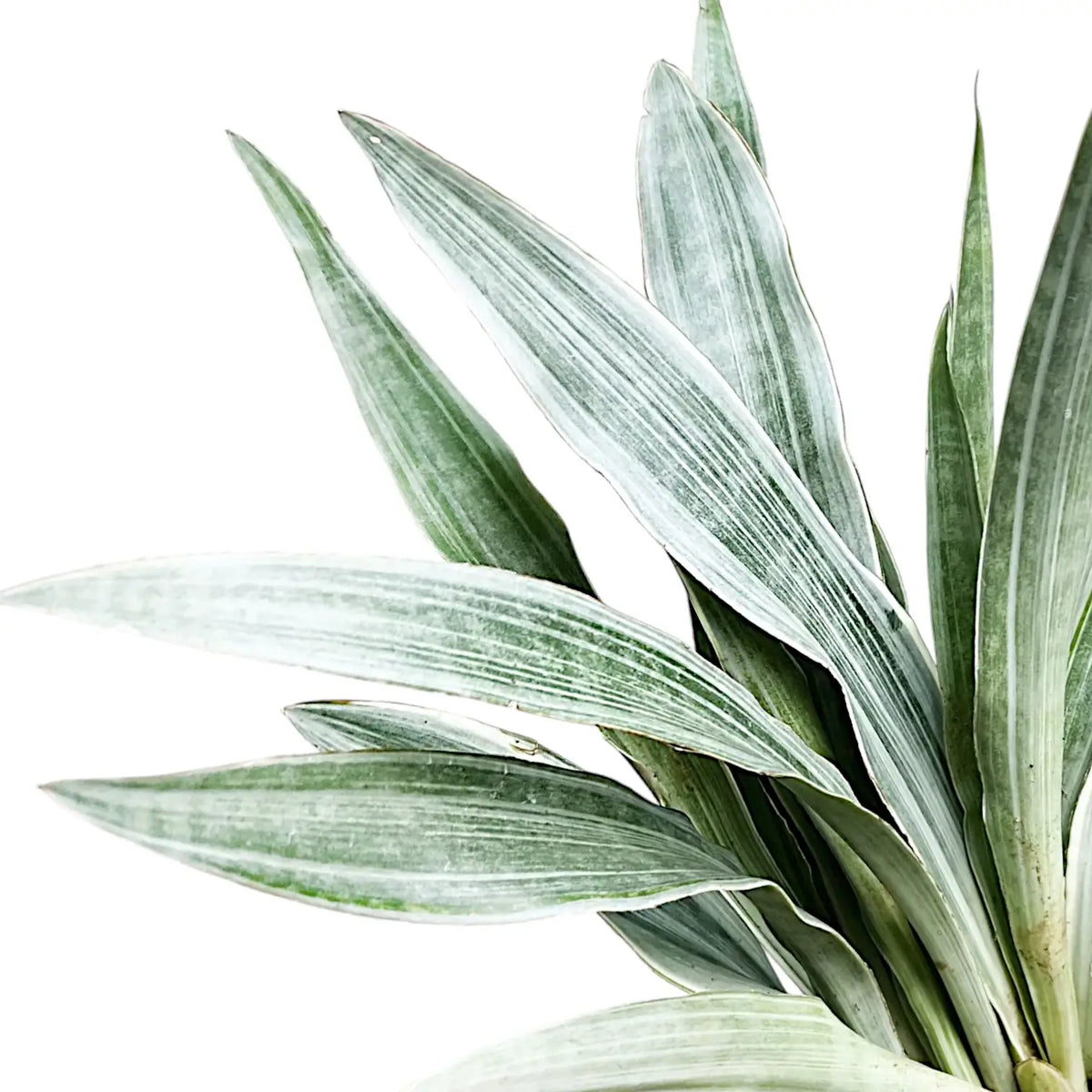
sansevieria metallica MetallicaDracaena (Sansevieria) trifasciata 'Metallica' Dracaena trifasciata 'Metallica' is a silver grey snake plant with long, tapered leaves and a softly striped surface. The foliage combines muted green and grey tones, giving each blade a brushed metallic look. The smooth looking, reflective leaf surface gives the plant its muted metallic look in a simple pot. New leaves rise from the base and slowly build the plant into a fuller clump. The long blades
Dracaena (Sansevieria) trifasciata 'Metallica'
Dracaena trifasciata 'Metallica' is a silver-grey snake plant with long, tapered leaves and a softly striped surface. The foliage combines muted green and grey tones, giving each blade a brushed metallic look. The smooth-looking, reflective leaf surface gives the plant its muted metallic look in a simple pot.
New leaves rise from the base and slowly build the plant into a fuller clump. The long blades stay tidy in shape, while the striped grey-green surface catches light well in bright indoor positions. Beside greener plants, 'Metallica' adds cool-toned snake plant texture with a quieter leaf colour.
Silver striping and tapered leaf blades
- Leaf colour: Grey, silver and muted green tones create the metallic-looking surface.
- Leaf shape: Long, tapering blades give the plant height and a slim overall outline.
- Growth base: New shoots emerge from below the substrate and slowly increase the clump.
- Indoor placement: The grey-toned foliage pairs with plain pots, low plant stands and bright shelves.
- Flowering: Mature snake plants may occasionally produce pale, tubular blooms in settled indoor conditions.
Leaf surface, slow growth and pot fit
'Metallica' has firm, moisture-storing leaves and a base that needs air after watering. The grey metallic surface gives it a cool appearance, and the plant develops best with warmth, bright filtered light, a draining substrate and a clear dry interval between waterings.
The grey leaf surface reflects light clearly, so dust and splash marks can show quickly. Wiping the leaves gently keeps the metallic tone visible and helps you spot early damage. New shoots often appear close to the existing fan and take time to reach the same height as older leaves.
A slightly snug pot keeps excess substrate from staying damp around the lower plant. Repot when the clump has filled the pot or the mix has lost structure, using a container only modestly larger than the old one.
Care for grey-green snake plant foliage
- Light: Bright indirect light keeps the leaves firm and the grey-green colour clear. In dimmer rooms, the plant grows slowly and the substrate dries at a gentler pace.
- Watering: Let the mix dry deeply, then water thoroughly and drain fully. The plant should return to a dry root zone before the next watering.
- Substrate: Use a free-draining mix with pumice, lava rock, coarse sand or fine bark. The lower plant needs air after watering.
- Pot choice: A pot with drainage holes and enough weight for the leaves gives the plant a stable base.
- Temperature: Keep it in steady indoor warmth, ideally around 18–27 °C. Warmth keeps the substrate drying evenly after watering.
- Humidity: Average household humidity is enough. The plant grows well in normal room air.
- Feeding: Feed lightly during active growth with a diluted balanced or cactus fertiliser. Slow snake plant growth needs restrained feeding.
- Repotting: Repot when new shoots crowd the pot or the substrate has broken down. A modest size increase keeps drying time manageable.
- Propagation: Divide rooted sections when the clump is large enough. This keeps the new plant matched to the parent growth.
Surface marks and root-zone stress
- Soft lower leaves: Check the depth of the potting mix, drainage and cover pot. Softness near the base usually means the lower plant remained damp too long.
- Wrinkling: Inspect both the substrate and the roots. A thirsty-looking leaf can come from drought or from roots that have lost function.
- Brown tips: Look for old handling marks, mineral buildup, dry spells followed by heavy watering, or cold air exposure.
- Dull foliage: Wipe leaves with a soft damp cloth. Dust can quickly mute the metallic leaf surface.
- Slow new growth: Check light, warmth and root-zone dryness before adjusting the feeding routine.
Safety with pets and children
Place Dracaena trifasciata 'Metallica' out of reach of pets and small children who may chew the leaves. Snake plants contain saponins, which can cause nausea, vomiting or diarrhoea in cats and dogs if ingested. A steady pot position also protects the long leaves from cracking or tipping.
Dracaena name and metallic leaf colour
The genus name Dracaena comes from the Greek drakaina, meaning “female dragon”, a name historically associated with red resin in some dragon tree relatives. The leaves have a grey metallic-looking surface with fine striping and a muted silver-green tone.
Dracaena trifasciata 'Metallica' has cool grey-green striping, tapered blades and a slow upright clump.
Shipping Notes
- Free Standard Shipping on $100+ Orders to the USA.
- Except Preorder products are shipped in 48 hours.
- Delivery to the USA:
- Standard Shipping : 3-10 business days
- If time is of the essence, please consider selecting expedited delivery for faster service.
Exchange/Return Notes
- We offer a 30-day return/exchange service after receiving.
- Final sale items are not eligible for returns or exchanges.
- To process your return/exchange, please contact us at [email protected]
- Please click here for more details>>> Return & Exchange Policy