Pay in installments of $6.40 with
 ,
,
 and
and

Shipping Estimate
USA
- USA
- CAN
- USA
- CAN
Ships within 48 hours · Estimated delivery Aug 8 - Aug 13
 Promo Codes Available:
For Your Every Summer RSVP, with Code: SUMMER15
Description
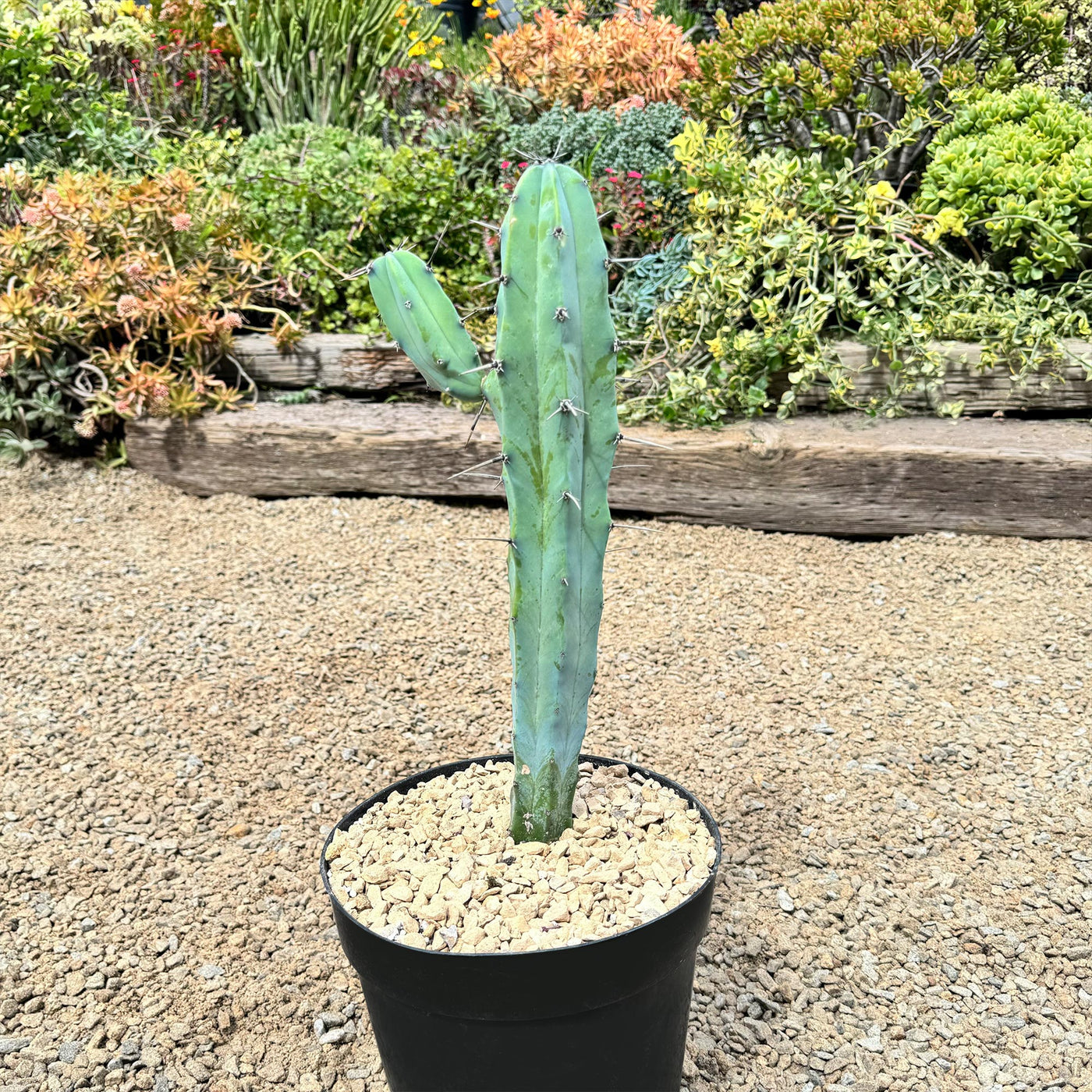
blue cactus succulent Blue Myrtle CactusThe blue myrtle cactus, known as Myrtillocactus geometrizans, is a blue grey candelabra like cactus bearing a small, sweet, edible berry like fruit. Its botanical name is derived from the Greek word "myrtillus," meaning whortleberry, and "geometrizans," referring to its geometrically patterned ribs. Native to Mexico, it has several common names: blue flame cactus, bilberry cactus, whortleberry cactus, and, of course, blue candle cactus due to its
The blue myrtle cactus, known as Myrtillocactus geometrizans, is a blue-grey candelabra-like cactus bearing a small, sweet, edible berry-like fruit. Its botanical name is derived from the Greek word "myrtillus," meaning whortleberry, and "geometrizans," referring to its geometrically patterned ribs.
Native to Mexico, it has several common names: blue flame cactus, bilberry cactus, whortleberry cactus, and, of course, blue candle cactus due to its color and shape, like a blue candle.
The blue candle cactus is a tall, branched, candelabra-like tree cactus that can grow up to 20 feet tall with its bluish-green, thick stems that are covered in small, white central spines. The growth rate of this attractive columnar cactus is fast. With the right nurturing and care, it can grow fairly tall in height and width.
The flowers of the blue myrtle cactus are small, showy, greenish white, that bloom in the summer and are followed by small, dark red, edible fruits.
The fruit of this myrtle cactus is said to have medicinal properties and has been used to treat a variety of ailments, including digestive issues and skin conditions. It is a small, round, edible fruit with a mildly sweet and tangy flavor.
One of the most unique features of the blue candle cactus is its ability to grow aerial roots that grow above the ground and provide additional support to the Myrtillocactus geometrizans. This adaptation allows the cactus to grow tall and straight, even in windy conditions.
When and How to Water Your Blue Myrtle Cactus
The Blue Myrtle Cactus is naturally drought-tolerant, thriving in arid and semi-arid conditions where rainfall is scarce. Cacti are like Camels; they drink up a lot of water quickly and then can last a long time before needing water again. The blue myrtle cactus prefers watering once every 2-3 weeks in the growing season, and once a month in the dormant season.
In spring and summer, during the growing season, the Blue Myrtle Cactus prefers watering once every two to three weeks. This cycle mimics natural desert rainfall patterns; soaking the roots deeply, followed by a dry period. Too little water during this active growth phase can result in pale or discolored stems and stunted growth, while too much water increases the risk of root rot.
In fall and winter, during the dormant season, water only once a month, or not at all if the soil is slightly moist. Providing minimal water during dormancy helps the cactus conserve energy and prevents fungal problems that can occur in cool, damp conditions. Overwatering in winter is the most common cause of damage, so erring on the dry side is always safer.
Light Requirements - Where to Place Your Blue Myrtle Cactus
If you are growing your blue myrtle cactus indoors, it is best to place the cactus in a south-facing window or in an area that receives at least 6 hours of direct sunlight per day.
This will help ensure that the cactus receives enough light to thrive and prevent it from becoming etiolated. Additionally, be sure to rotate the cactus periodically to promote even growth on all sides.
When growing outdoors, your Blue myrtle cactus prefers 4-6 hours of full sun to partial shade for healthy growth. While this blue myrtle cactus can tolerate some light shade, it will not grow as well in low-light conditions.
If you notice that your Myrtillocactus geometrizans is not growing as quickly as you would like or if the leaves are turning yellow, it may be an indication that it is not receiving enough sunlight.
Optimal Soil & Fertilizer Needs
The blue myrtle cactus likes very airy, porous, nutrient-rich soil with a pH of 5.6 - 6.5, and should be fertilized once a year in spring. Your soil must have a sandy texture and a low water-holding capacity, just like desert soil. Because these plants do not grow well (or at all) in waterlogged soil, you must use a well-draining soil mix. Ideally, you want to use our specialized cactus potting mix that contains 5 natural substrates and organic mycorrhizae to promote the development of a strong root system that helps your Myrtillocactus geometrizans cactus to thrive.
Use a balanced fertilizer with an equal ratio of NPK (5-10-5) for the healthy growth of your cactus, once a year in the spring. So, skip those harsh chemicals and give your Myrtillo cactus some love with some awesome organic fertilizer!
Hardiness Zone & More
The blue myrtle cactus, also known as Myrtillocactus geometrizans, is a hardy succulent that thrives in USDA hardiness zones 9-11.
These zones typically experience mild winters and hot summers, making them ideal for outdoor growing.
In terms of humidity, the blue myrtle cactus prefers a dry climate with low humidity levels to prevent root rot and fungal diseases. It is important to provide well-draining soil and avoid overwatering to ensure the health and longevity of this unique cactus species.
In cooler zones, it can be kept outdoors during the summer and brought in as the temperature drops below 35°F. Although this semi-hardy cactus can withstand temperatures below 25°F for brief periods, prolonged frost can be dangerous.
How to Grow Best Blue Myrtle Cactus Indoors
To grow the best Blue Myrtle Cactus indoors, it is important to maintain a temperature range of 65-85°F and provide moderate humidity levels. Avoid placing the cactus near drafty windows or heating vents, as sudden temperature fluctuations can stress the plant. Additionally, misting the cactus occasionally can help increase humidity levels and promote healthy growth.
Wildlife - Blue Myrtle Cactus Attracts the Following Friendly Pollinators
The Blue Myrtle Cactus is known to attract various species of bees, butterflies, and hummingbirds due to its vibrant flowers and sweet nectar. These pollinators play a crucial role in the reproduction and survival of the cactus, making them essential partners in maintaining biodiversity.
According to ASPCA, the Myrtillocactus geometrizans, is considered non-toxic to cats and dogs, making it a safe option for pet owners to have in their homes. It is safe to touch and handle, making it a great choice for pet-friendly households looking to add some greenery to their space.
How to Propagate Your Blue Myrtle Cactus
Blue myrtle cactus can be propagated through stem cuttings. To do this, simply cut a healthy stem from the parent plant and allow it to callous for a few days before planting it in well-draining soil. Water sparingly until roots develop, then gradually increase watering frequency.
Key Takeaways
- The Blue Myrtle Cactus produces edible purple fruits, which are used in jams, drinks, and traditional Mexican dishes.
- It is widely used as a grafting stock for rare and slow-growing cacti because of its strength and rapid growth.
- In the wild, this cactus can live for more than 100 years and grow into a large, tree-like form with multiple arms.
- The cactus plays an important ecological role by providing nectar, pollen, and fruit for birds, bats, and insects.
- Its dried wood has been traditionally repurposed for fencing, firewood, and rustic construction in rural Mexico.
The Bottom Line
Overall, the Blue Myrtle Cactus (Myrtillocactus geometrizans) is a stunning, low-maintenance plant that combines unique blue-green stems with easy care needs, thriving in full sun, well-draining soil, and minimal watering, making it an ideal choice for both collectors and gardeners seeking a bold, drought-tolerant centerpiece. We think you will love this cactus; order your very own Myrtillocactus geometrizans 'Blue Myrtle cactus' today and start enjoying its beauty in no time!
Shipping Notes
- Free Standard Shipping on $100+ Orders to the USA.
- Except Preorder products are shipped in 48 hours.
- Delivery to the USA:
- Standard Shipping : 3-10 business days
- If time is of the essence, please consider selecting expedited delivery for faster service.
Exchange/Return Notes
- We offer a 30-day return/exchange service after receiving.
- Final sale items are not eligible for returns or exchanges.
- To process your return/exchange, please contact us at [email protected]
- Please click here for more details>>> Return & Exchange Policy